What YFC is Doing

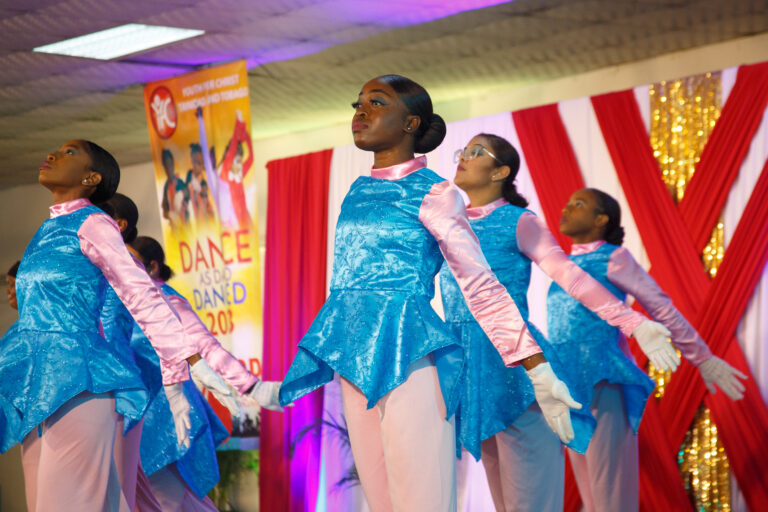
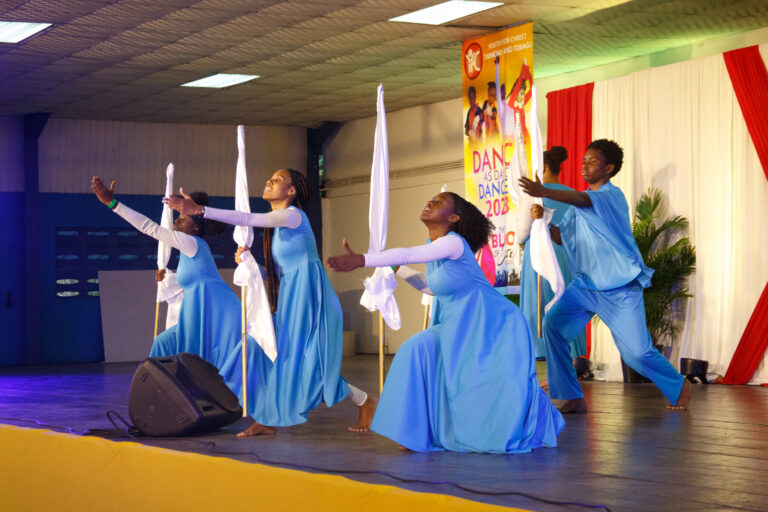
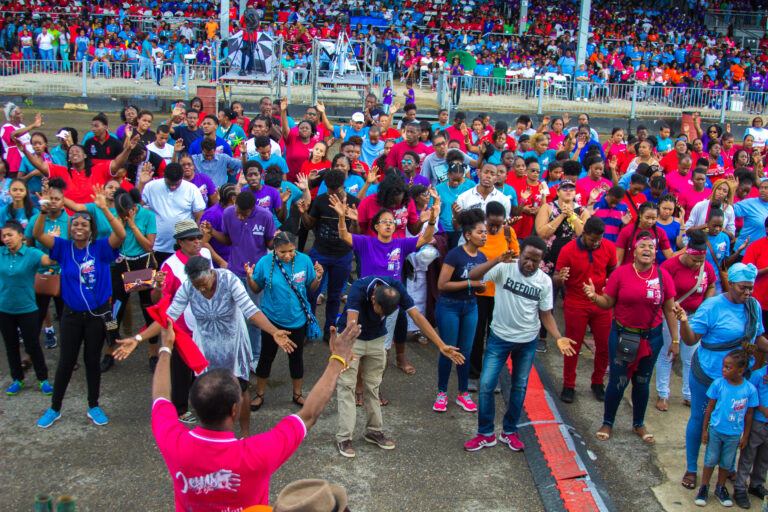
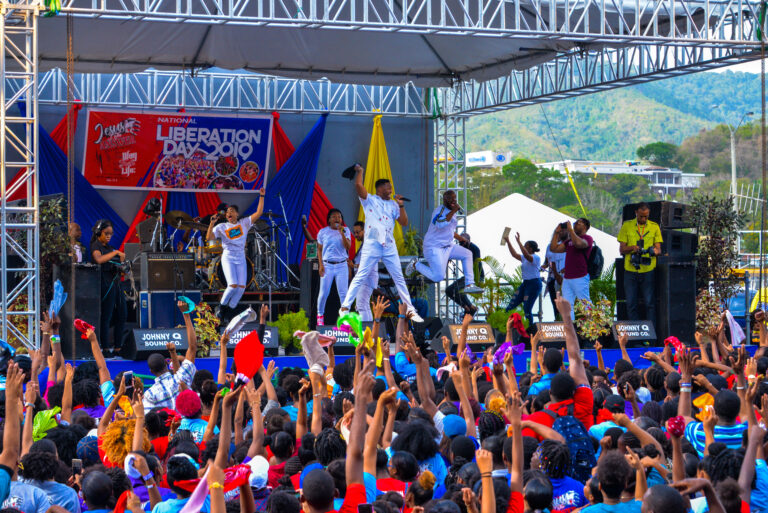
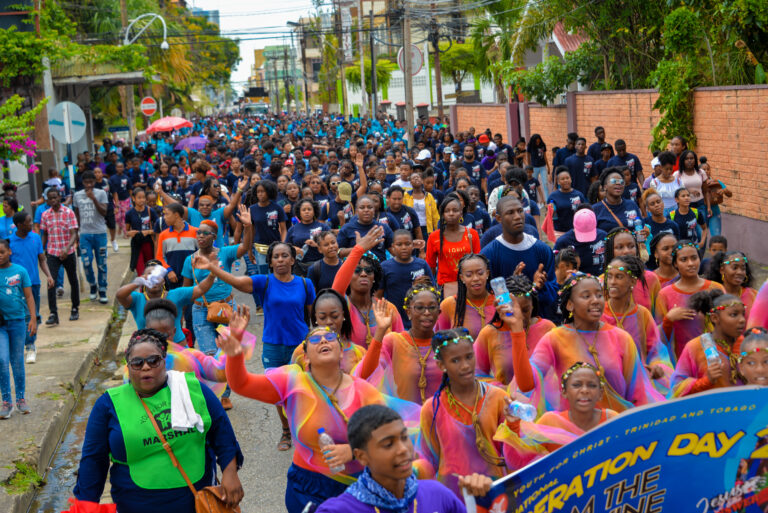
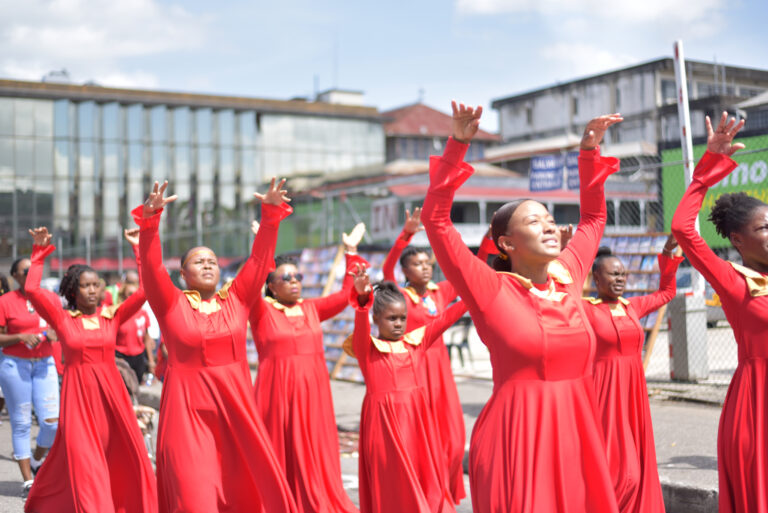
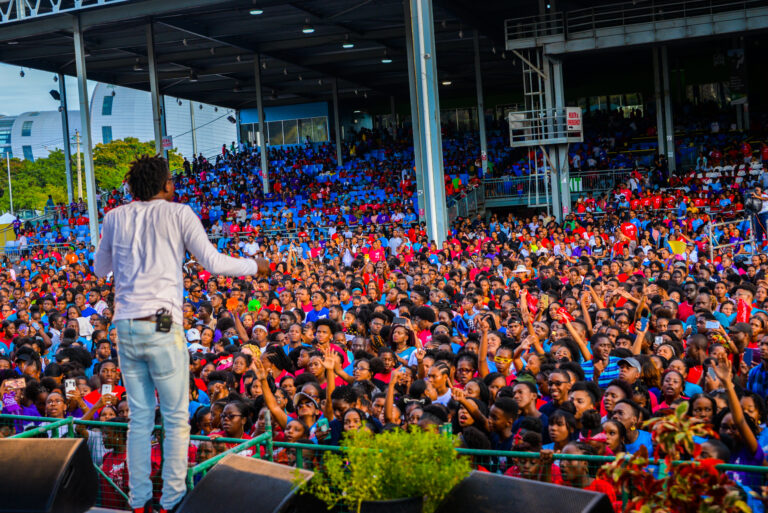
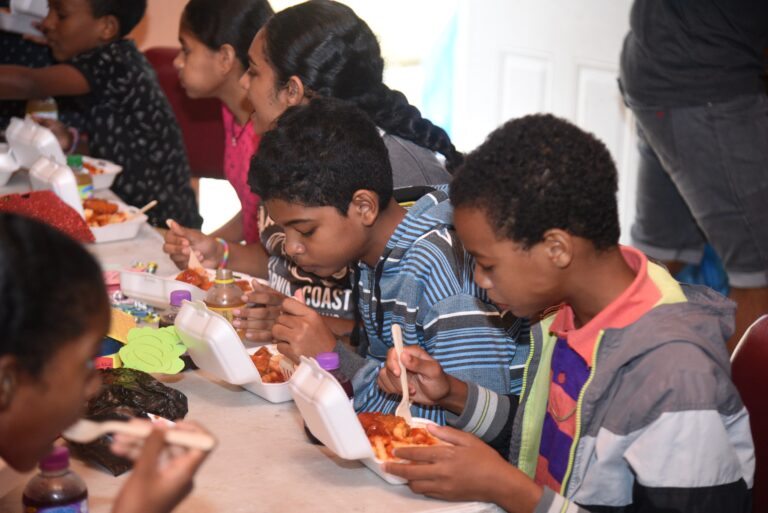
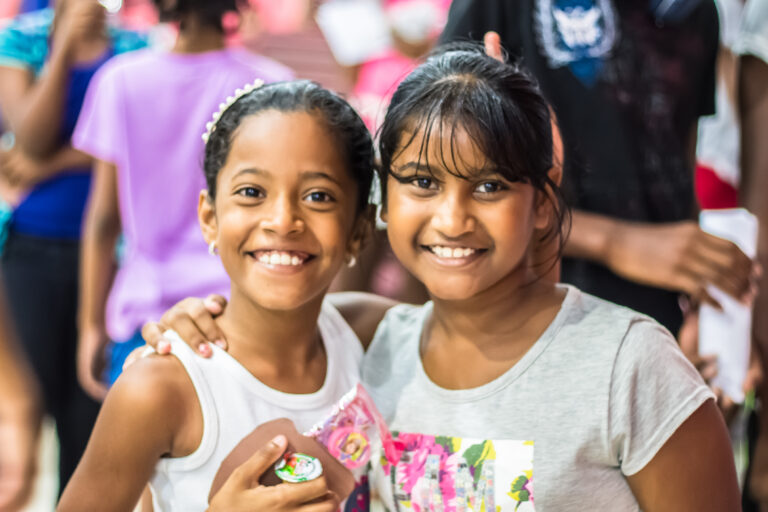
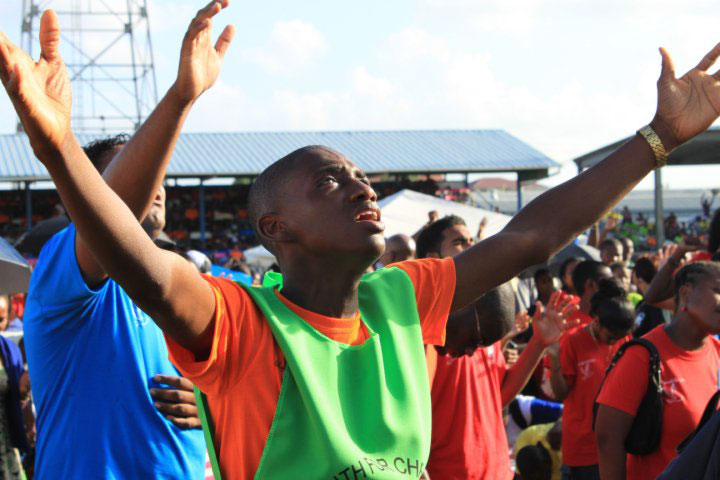
Trinidad YFC is conducting ministry with rallies held in churches “Friday Fest,” video nights for young people, school team Bible quizzing and talent contests.

Prayer Needs

  • Adequate funding for ministry and staff.
  • Ministry equipment such as computers and videos.
  • Spiritual development of staff and volunteers.
  • Establish prayer units in each of the country’s 12 regions.
  • Development of YFC bases in each region and building relationships with local church pastors.

About Trinidad and Tobago

Trinidad and Tobago

Introduction

First colonized by the Spanish, the islands came under British control in the early 19th century. The islands' sugar industry was hurt by the emancipation of the slaves in 1834. Manpower was replaced with the importation of contract laborers from India between 1845 and 1917, which boosted sugar production as well as the cocoa industry. The discovery of oil on Trinidad in 1910 added another important export. Independence was attained in 1962. The country is one of the most prosperous in the Caribbean thanks largely to petroleum and natural gas production and processing. Tourism, mostly in Tobago, is targeted for expansion and is growing. The government is coping with a rise in violent crime.

Geography

Location

Location: Caribbean, islands between the Caribbean Sea and the North Atlantic Ocean, northeast of Venezuela
Geographic Coordinates: 11 00 N, 61 00 W

Area

Total Area: 5,128 sq km Rank: 173
Land Area: 5,128 sq km
Water Area: 0 sq km
Comparison: slightly smaller than Delaware
Land Boundaries: 0 km
Coastline: 362 km

Climate

tropical; rainy season (June to December)

Terrain

mostly plains with some hills and low mountains

Elevations

Lowest Point: Caribbean Sea 0 m
Highest Point: El Cerro del Aripo 940 m

Natural Resources

petroleum, natural gas, asphalt

Land Use

Arable land: 14.62%
Permanent Crops: 9.16%
Other: 76.22% (2005)
Irrigated Land: 40 sq km (2003)
Renewable Water Resources: 3.8 cu km (2000)
Total Freshwater withdrawal (domestic/industrial/agricultural): 0.31 cu km/yr (68%/26%/6%)
Freshwater Withdrawal Per Capita: 237 cu m/yr (2000)

Environment

Natural Hazards: outside usual path of hurricanes and other tropical storms
Environmental Issues: water pollution from agricultural chemicals, industrial wastes, and raw sewage; oil pollution of beaches; deforestation; soil erosion
Environmental Agreements: Party to: Biodiversity, Climate Change, Climate Change-Kyoto Protocol, Desertification, Endangered Species, Hazardous Wastes, Law of the Sea, Marine Dumping, Marine Life Conservation, Ozone Layer Protection, Ship Pollution, Tropical Timber 83, Tropical Timber 94, Wetlands

Geography Notes

Pitch Lake, on Trinidad's southwestern coast, is the world's largest natural reservoir of asphalt

People

Population: 1,229,953 (July 2010 est.) Rank: 155

Age Structure

0-14 years: 19.6% (male 123,214/female 117,584)
15-64 years: 72.6% (male 457,868/female 434,486)
65 years and over: 7.9% (male 41,467/female 55,334) (2010 est.)
Median Age: 32.1 years

Population Growth

Growth Rate: -0.102% (2010 est.) Rank: 213
Birth Rate: 14.36 births/1,000 population (2010 est.) Rank: 147
Death Rate: 8.11 deaths/1,000 population (July 2010 est.) Rank: 105
Net Migration Rate: -7.28 migrant(s)/1,000 population (2010 est.) Rank: 170

Urbanization

Urban Population: 13% of total population (2008)
Rate of Urbanization: 2.9% annual rate of change (2005-10 est.)

Life and Death

Infant Mortality Rate: 29.93 deaths/1,000 live births Rank: 75
Life Expectancy at Birth: 70.86 years Rank: 135
Fertility Rate: 1.72 children born/woman (2010 est.) Rank: 168

Health and Disease

HIV/AIDS - Adult Prevalence Rate: 1.5% (2007 est.) Rank: 44
People living with HIV/AIDS: 14,000 (2007 est.) Rank: 90
HIV/AIDS Deaths: 1,900 (2003 est.) Rank: 61

Nationality and Culture

Noun: Trinidadian(s), Tobagonian(s)
Adjective: Trinidadian, Tobagonian
Ethnic Groups: Indian (South Asian) 40%, African 37.5%, mixed 20.5%, other 1.2%, unspecified 0.8% (2000 census)
Religion: Roman Catholic 26%, Hindu 22.5%, Anglican 7.8%, Baptist 7.2%, Pentecostal 6.8%, Muslim 5.8%, Seventh Day Adventist 4%, other Christian 5.8%, other 10.8%, unspecified 1.4%, none 1.9% (2000 census)
Languages: English (official), Caribbean Hindustani (a dialect of Hindi), French, Spanish, Chinese

Education

Literacy (Meaning, age 15 and over can read and write): 98.6% Male: 99.1% Female: 98% (2003 est.)
School life expectancy (primary to tertiary education): 11 years Male: 11 years Female: 11 years (2005)

Government

Country Name

Conventional Long Form: Republic of Trinidad and Tobago
Conventional Short Form: Trinidad and Tobago
Government Type: parliamentary democracy
Capital: Port-of-Spain Geographic Coordinates: 10 39 N, 61 31 W
Independence: 31 August 1962 (from the UK)
National holiday: Independence Day, 31 August (1962)
Constitution: 1 August 1976
Legal system: based on English common law; judicial review of legislative acts in the Supreme Court; has not accepted compulsory ICJ jurisdiction
Suffrage: 18 years of age; universal

Executive Branch

Chief of State: President George Maxwell RICHARDS (since 17 March 2003)
Head of Government: Prime Minister Kamla PERSAD-BISSESSAR (since 26 May 2010)
Cabinet: Cabinet appointed from among the members of Parliament
Elections: president elected by an electoral college, which consists of the members of the Senate and House of Representatives, for a five-year term (eligible for a second term); election last held on 11 February 2008 (next to be held by February 2013); the president usually appoints as prime minister the leader of the majority party in the House of Representatives
Election Results: George Maxwell RICHARDS reelected president; percent of electoral college vote - NA

Legislative Branch

bicameral Parliament consists of the Senate (31 seats; 16 members appointed by the ruling party, 9 by the President, 6 by the opposition party to serve a maximum term of five years) and the House of Representatives (41 seats; members are elected by popular vote to serve five-year terms)
Elections: House of Representatives - last held on 24 May 2010 (next to be held in 2015)
Election Results: House of Representatives - percent of vote - NA; seats by party - UNC 21, PNM 12, COP 6, TOP 2
Note: Tobago has a unicameral House of Assembly with 12 members serving four-year terms; last election held in January 2005; seats by party - PNM 11, DAC 1

Judicial branch

Supreme Court of Judicature (comprised of the High Court of Justice and the Court of Appeals; the chief justice is appointed by the president after consultation with the prime minister and the leader of the opposition; other justices are appointed by the president on the advice of the Judicial and Legal Service Commission); the highest court of appeal is the Privy Council in London; member of the Caribbean Court of Justice (CCJ)

Politics

Political Parties and Leaders: Congress of the People or COP [Winston DOOKERAN]; Democratic Action Congress or DAC [Hochoy CHARLES] (only active in Tobago); Democratic National Alliance or DNA [Gerald YETMING] (coalition of NAR, DDPT, MND); Movement for National Development or MND [Garvin NICHOLAS]; National Alliance for Reconstruction or NAR [Dr. Carson CHARLES]; People's National Movement or PNM [Patrick MANNING]; Tobago Organization of the People or TOP [Ashworth JACK]; United National Congress or UNC [Kamla PERSAD-BISSESSAR]
Political Pressure Groups and Leaders: Jamaat-al Muslimeen [Yasin BAKR]
International Organization Participation: ACP, AOSIS, C, Caricom, CDB, FAO, G-24, G-77, IADB, IBRD, ICAO, ICCt, ICRM, IDA, IFAD, IFC, IFRCS, IHO, ILO, IMF, IMO, Interpol, IOC, IOM, ISO, ITSO, ITU, ITUC, LAES, MIGA, NAM, OAS, OPANAL, OPCW, Paris Club (associate), UN, UNCTAD, UNESCO, UNIDO, UPU, WCO, WFTU, WHO, WIPO, WMO, WTO
Flag Description: red with a white-edged black diagonal band from the upper hoist side to the lower fly side; the colors represent the elements of earth, water, and fire; black stands for the wealth of the land and the dedication of the people; white symbolizes the sea surrounding the islands, the purity of the country's aspirations, and equality; red symbolizes the warmth and energy of the sun, the vitality of the land, and the courage and friendliness of its people

Economy

Economy Overview: Trinidad and Tobago has earned a reputation as an excellent investment site for international businesses and has one of the highest growth rates and per capita incomes in Latin America. Economic growth between 2000 and 2007 averaged slightly over 8%, significantly above the regional average of about 3.7% for that same period; however, it has slowed down since then and contracted about 3.5% in 2009. Growth has been fueled by investments in liquefied natural gas (LNG), petrochemicals, and steel. Additional petrochemical, aluminum, and plastics projects are in various stages of planning. Trinidad and Tobago is the leading Caribbean producer of oil and gas, and its economy is heavily dependent upon these resources but it also supplies manufactured goods, notably food products and beverages, as well as cement to the Caribbean region. Oil and gas account for about 40% of GDP and 80% of exports, but only 5% of employment. The country is also a regional financial center, and tourism is a growing sector, although it is not as important domestically as it is to many other Caribbean islands. The economy benefits from a growing trade surplus. The MANNING administration has benefited from fiscal surpluses fueled by the dynamic export sector; however, declines in oil and gas prices have reduced government revenues which will challenge his government's commitment to maintaining high levels of public investment.

Gross Domestic Product

GDP (purchasing power parity): $26.19 billion (2009 est.) Rank: 111
GDP - real growth rate: -3.2% (2009 est.) Rank: 167
GDP - per capita (PPP): $21,300 (2009 est.) Rank: 57
GDP - Composition by Sector: Agriculture: 0.5% Industry: 59.2% Services: 40.3% (2009 est.)

Labor Force

Labor Force: 629,000 (2009 est.) Rank: 152

Transnational Issues

International Disputes: in April 2006, the Permanent Court of Arbitration issued a decision that delimited a maritime boundary with Trinidad and Tobago and compelled Barbados to enter a fishing agreement that limited Barbadian fishermen's catches of flying fish in Trinidad and Tobago's exclusive economic zone; in 2005, Barbados and Trinidad and Tobago agreed to compulsory international arbitration under UNCLOS challenging whether the northern limit of Trinidad and Tobago's and Venezuela's maritime boundary extends into Barbadian waters; Guyana has also expressed its intention to include itself in the arbitration as the Trinidad and Tobago-Venezuela maritime boundary may extend into its waters as well

Want to know more? Show Full Profile